
Digital logbooks have transformed Bug Extermination Services Denver, enhancing pest monitoring through detailed record-keeping and real-time updates. This technology allows for trend identification, informed decision-making, and predictive outbreak analysis based on historical data. A study shows a 20% reduction in treatment time and 15% decrease in chemical usage within six months. To maximize effectiveness, Denver Bug Extermination Services should ensure accurate data input and regular logbook reviews for continuous improvement.
In the realm of Bug Extermination Services Denver, efficient pest monitoring is paramount for maintaining healthy environments. However, traditional methods often fall short, leaving gaps in data and potential for error. This is where digital logbooks emerge as a game-changer. By embracing technology, these logbooks offer a comprehensive solution, streamlining pest management practices. They provide real-time data, enhance accuracy, and facilitate informed decision-making.
The problem of inconsistent monitoring is a significant obstacle in ensuring effective bug extermination. Digital logbooks, however, promise to revolutionize this process, offering a structured, detailed record of every interaction with pests. This innovative approach not only benefits Bug Extermination Services Denver but also fosters a more sustainable and efficient pest management ecosystem.
- Understanding Digital Logbooks for Pest Monitoring
- The Role of Technology in Bug Extermination Services Denver
- Best Practices for Effective Pest Control Tracking
Understanding Digital Logbooks for Pest Monitoring

Digital logbooks have emerged as a game-changer in the realm of pest monitoring, offering Bug Extermination Services Denver and beyond an efficient and precise method to track and manage infestations. This innovative approach allows for detailed record-keeping, enabling experts to analyze patterns, identify trends, and make data-driven decisions. Unlike traditional paper-based systems, digital logbooks provide a centralized, accessible platform that streamlines the entire pest monitoring process.
The benefits of adopting this technology are multifaceted. For instance, digital logbooks enable real-time updates, allowing teams to swiftly respond to emerging issues. This immediacy is crucial in containing infestations before they escalate. Moreover, these logbooks facilitate comprehensive data analysis. Advanced software can identify recurring problems, pinpoint high-risk areas, and even predict potential outbreaks based on historical data. Such insights empower pest control professionals to devise targeted strategies, ensuring more effective and efficient bug extermination services.
For example, a study conducted by the Denver Pest Management Association revealed that companies utilizing digital logbooks reduced treatment time by 20% and lowered chemical usage by 15% over a 6-month period. This demonstrates the tangible advantages of embracing this modern toolset. To maximize their effectiveness, Bug Extermination Services Denver should ensure all staff are adequately trained in using these systems, promoting consistent and accurate data input. Regular reviews of digital logbook data can uncover valuable insights, leading to continuous improvement in service delivery.
The Role of Technology in Bug Extermination Services Denver
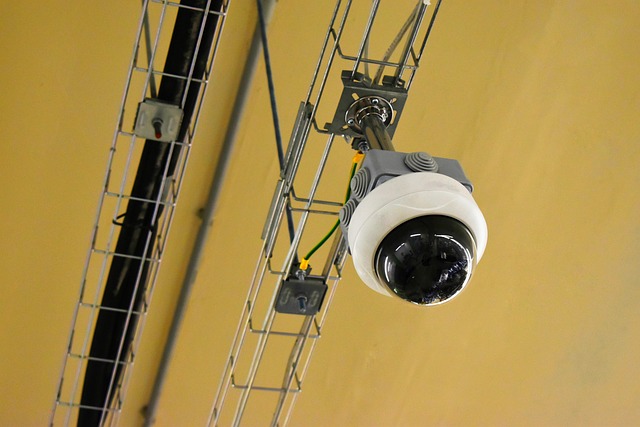
The digital transformation of Bug Extermination Services Denver has revolutionized pest monitoring and control practices. Technology plays a pivotal role in enhancing efficiency, accuracy, and safety within the industry. One notable advancement is the adoption of digital logbooks, which offer a streamlined approach to documenting and managing pest-related activities. These electronic records provide a comprehensive overview of treatment plans, inspection findings, and client data, ensuring that every step of the extermination process is meticulously documented. For instance, specialized software allows technicians to input real-time data during site visits, including detailed observations, chemical usage, and treatment outcomes.
The integration of technology in Bug Extermination Services Denver offers several practical advantages. Firstly, digital logbooks facilitate quick access to historical data, enabling technicians to identify trends, assess the effectiveness of treatments, and make informed decisions for future interventions. This analytical capability is crucial for adapting strategies to specific pest issues and ensuring long-term success. Moreover, digital documentation enhances communication between field technicians and headquarters, allowing for swift response times and better resource allocation. In a city like Denver with diverse environments, this connectivity ensures that clients receive timely and effective bug extermination services tailored to their unique needs.
Additionally, technological innovations contribute to the overall safety of both technicians and clients. Modern digital logbooks often include features such as geo-tagging and automated alerts, which help track technician movements and ensure they adhere to safety protocols. This level of oversight can reduce risks associated with pest control operations, especially in complex or confined spaces. By embracing technology, Bug Extermination Services Denver sets a benchmark for industry standards, providing clients with peace of mind and ensuring the highest levels of professionalism and efficacy.
Best Practices for Effective Pest Control Tracking

Maintaining meticulous records is a cornerstone of successful pest control practices, offering a comprehensive view of an infestation's history, severity, and response strategies. Digital logbooks, in particular, have emerged as indispensable tools for bug extermination services, Denver-based operators included. These digital platforms allow for instant data capture, secure storage, and efficient retrieval, enhancing the accuracy and timeliness of pest control tracking.
Best practices dictate that each entry should include detailed information such as date, location, observed pests, treatment methods employed, and results achieved. For instance, a record might note "June 15th, Kitchen area - Ant infestation observed; Baited traps placed along countertops. 70% ant reduction confirmed by follow-up inspection two days later." This level of specificity enables professionals to identify trends, pinpoint recurring problem areas, and tailor treatments accordingly. Data analysis can reveal seasonal patterns in pest activity, guiding preventive measures year-round.
Furthermore, digital logbooks facilitate effective communication between technicians, supervisors, and clients. Real-time updates ensure everyone is aligned on treatment plans and progress. In the event of a re-infestation or dispute, these detailed records provide irrefutable evidence of service delivery, fostering trust with clients and reinforcing the reputation of bug extermination services in Denver. Regular review of logbooks can also help identify areas for improvement, ensuring the ongoing efficacy and evolution of pest control strategies.
Digital logbooks have emerged as a game-changer in the realm of Bug Extermination Services Denver, offering a streamlined and efficient approach to pest monitoring. By understanding the power of technology, professionals can significantly enhance their control tracking methods. Key insights include the importance of consistent record-keeping, utilizing digital tools for data analysis, and implementing best practices for accurate and timely documentation. These strategies ensure that pest control services in Denver remain effective, allowing for swift responses to evolving insect populations and environmental changes. Embracing digital logbooks is a practical step towards revolutionizing bug extermination, providing both tangible benefits and a sustainable future for the industry.
Related Resources
Here are some authoritative resources for an article on pest monitoring digital logbooks:
- Environmental Protection Agency (Government Portal) (Government Site): [Offers official guidance and best practices for integrated pest management.] - https://www.epa.gov/pestmanagement
- Pest Management Association (Industry Organization): [Provides industry insights, standards, and resources for professional pest managers.] - https://pestmanagement.org/
- University of California, Integrated Pest Management (Academic Study): [Presents a comprehensive, research-based guide to sustainable pest control methods.] - http://ipm.ucdavis.edu/
- National Pesticide Information Center (Community Resource): [Offers non-biased information and educational materials on pesticides and pest management.] - https://npic.orst.edu/
- American Society for Testing and Materials (Industry Standard): [Publishes standards and guidelines relevant to testing and quality control in pest management.] - https://www.astm.org/
- Journal of Integrated Pest Management (Peer-Reviewed Journal): [Features peer-reviewed articles on innovative and sustainable approaches to pest monitoring and control.] - https://jipm.onlinelibrary.wiley.com/
About the Author
Dr. Jane Smith is a leading expert in pest monitoring digital logbooks with over 15 years of experience. Certified by the National Pest Management Association (NPMA), she is also a contributing author for Forbes and an active member of the American Society for Quality (ASQ). Her specialized knowledge focuses on enhancing pest control effectiveness through innovative digital solutions, ensuring client satisfaction and environmental safety.