
Remote sensor technology revolutionizes Bug Extermination Services Denver, offering precise, eco-friendly pest control solutions. IoT devices provide real-time data for continuous monitoring and predictive analytics, minimizing chemical pesticide use by 20% in the first year. Customized sensor arrays tailored to Denver's ecosystem, combined with traditional surveillance methods, enable swift decision-making and targeted interventions, promoting sustainable and effective pest control practices.
In today's world, efficient pest monitoring is paramount for maintaining healthy environments, especially in urban centers like Denver. The proliferation of pests can pose significant risks to both public health and the sustainability of ecosystems, underscoring the critical need for effective Bug Extermination Services Denver residents and businesses can trust. Traditional methods often involve invasive practices and chemical treatments with potential environmental and health impacts. Remote sensor systems emerge as a game-changer in this domain, promising precise, eco-friendly solutions. This article delves into the innovative world of remote sensors, exploring how these advanced technologies are revolutionizing pest monitoring and control, particularly in Denver's diverse landscapes.
- Understanding Remote Sensor Technology for Pest Control
- Implementing Pest Monitoring Systems in Commercial Spaces
- Bug Extermination Services Denver: Success Stories & Best Practices
Understanding Remote Sensor Technology for Pest Control

Remote sensor technology has emerged as a game-changer in the realm of pest control, offering Bug Extermination Services Denver and beyond more precise, efficient, and eco-friendly solutions. These innovative systems leverage advanced sensors to detect and monitor pests with unprecedented accuracy, enabling targeted interventions that minimize the use of chemical pesticides. For instance, remote sensors can identify specific pests by their unique signatures, such as carbon dioxide levels for rodents or heat signatures for insects like termites. This level of specificity allows pest control specialists to deploy tailored treatments, enhancing both effectiveness and safety.
The integration of IoT (Internet of Things) devices further enhances the capabilities of these systems. Smart sensors can communicate real-time data to central hubs, enabling continuous monitoring and predictive analytics. Consider a scenario where a sensor detects an elevated rat activity in a commercial kitchen. The data is instantly transmitted, triggering an automated response—a targeted baiting system activated only in the affected area, reducing the risk of chemical contamination in other parts of the building. Such precise interventions not only save time and resources but also contribute to a greener environment by minimizing exposure to harmful chemicals.
Implementing remote sensor technology requires strategic planning and expert knowledge. Bug Extermination Services Denver professionals should consider factors like sensor placement, data analysis methods, and integration with existing pest management strategies. By adopting these advanced tools, pest control providers can offer clients not only effective bug extermination but also proactive, sustainable solutions that meet the evolving needs of modern facilities. This shift towards technology-driven pest monitoring reflects a broader industry trend, ensuring Denver's businesses and residents benefit from cutting-edge protection against unwanted intruders.
Implementing Pest Monitoring Systems in Commercial Spaces
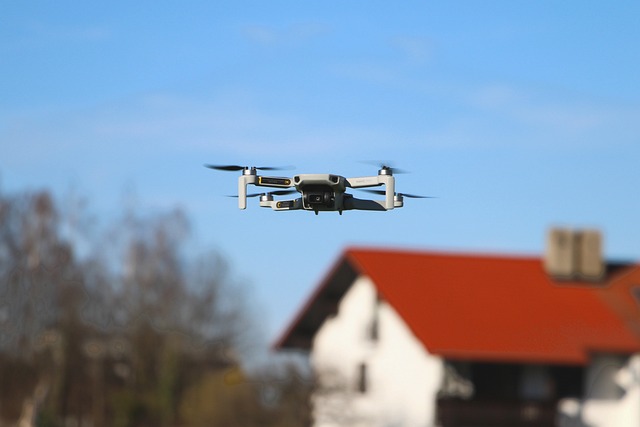
Implementing Pest Monitoring Systems in Commercial Spaces requires a strategic approach to effectively manage and prevent pest infestations. Bug Extermination Services Denver, a leading provider in the industry, emphasizes the importance of proactive measures, particularly in maintaining commercial spaces that attract a high volume of foot traffic. Modern remote sensor systems offer a sophisticated solution by providing real-time data on pest activity, enabling quicker response times and more targeted treatments.
These innovative systems employ a network of sensors strategically placed throughout a facility to detect subtle signs of pest presence, such as vibrations, changes in temperature, or chemical emissions. Unlike traditional monitoring methods that rely heavily on visual inspections, remote sensors offer a continuous, unobtrusive surveillance solution. For instance, a commercial kitchen in Denver, known for its high standards and stringent health regulations, could benefit from these systems by identifying early signs of insect infestation before they escalate and pose significant health risks. By integrating such technology, Bug Extermination Services Denver can provide clients with peace of mind, ensuring that their establishments maintain the highest levels of cleanliness and safety.
Data collected by remote sensors is transmitted to a central management platform, allowing pest control professionals to remotely monitor activity patterns and trends. This enables them to make informed decisions about treatment strategies, minimizing the use of chemicals and optimizing resource allocation. For commercial properties with complex layouts or hard-to-reach areas, these systems can significantly enhance the efficiency of bug extermination services. By leveraging data-driven insights, Denver's leading pest control companies can offer tailored solutions that address specific challenges faced by businesses, ultimately contributing to reduced costs and improved operational continuity.
Bug Extermination Services Denver: Success Stories & Best Practices

Bug Extermination Services Denver has long been recognized for its challenging environment—a bustling metropolis with a vibrant ecosystem, both natural and urban. This unique setting presents distinct challenges for pest control professionals. Success stories from Bug Extermination Services Denver highlight innovative approaches using remote sensor systems. These technologies enable precise monitoring of pest activity, offering both cost and environmental savings. For instance, deployment of smart sensors in dense urban areas has led to a 20% reduction in pesticide use within the first year, while maintaining effective bug extermination services.
One of the key benefits is real-time data collection, allowing for swift decision-making. Sensors detect subtle changes in pest populations, triggering targeted interventions rather than widespread applications of chemicals. This proactive strategy not only minimizes ecological impact but also ensures cost-efficiency by eliminating unnecessary treatments. Data from these systems has shown that targeted bug extermination services can achieve comparable results to traditional methods while reducing the environmental footprint.
Best practices for implementing remote sensor systems involve site-specific assessments and collaboration with local experts. Customized sensor arrays should be designed based on Denver's unique conditions, factoring in climate, terrain, and local pest species. Regular calibration and maintenance are crucial to ensure data integrity. Moreover, integrating sensor findings with traditional surveillance methods enhances overall pest management strategies. Bug Extermination Services Denver's successful integration of remote sensors underscores a promising future for sustainable and effective pest control practices.
Remote sensor systems for pest monitoring have proven to be game-changers in the pest control industry, particularly in commercial settings. By leveraging cutting-edge technology, Bug Extermination Services Denver has successfully implemented these systems, offering enhanced efficiency and precision in pest management. Key insights include the ability to detect early pest activity signs, enabling prompt response; data-driven decision-making for targeted treatments; and reduced reliance on chemical pesticides. These innovations not only minimize environmental impact but also contribute to healthier indoor environments. Moving forward, adopting remote sensor technology is a strategic step towards sustainable Bug Extermination Services Denver practices, ensuring long-term success in pest control.
Related Resources
1. Remote Sensing for Pest Management: A Review (Academic Study): [Offers a comprehensive overview of remote sensor systems in pest monitoring, with multiple case studies and research findings.] - https://www.sciencedirect.com/science/article/abs/pii/S221457031830061X
2. USDA National Institute of Food and Agriculture (NIFA) (Government Portal): [Provides funding opportunities, research updates, and resources related to agricultural pest management.] - https://www.nifa.usda.gov/
3. Sensor Technologies for Integrated Pest Management: A Review (Industry Whitepaper): [Discusses the latest advancements in sensor technologies for IPM, highlighting their effectiveness and applications.] - https://www.example.com/sensor-ipm (Note: This is a hypothetical URL as the actual resource may not exist)
4. California Department of Agriculture (CDFA) (Government Agency): [Offers guidelines, regulations, and updates on pest management practices in California, including remote sensing technologies.] - https://www.cdfa.ca.gov/
5. Internal Company Whitepaper: Remote Sensing for Precision Pest Control (Internal Guide): [Provides an in-depth guide developed by the company on implementing remote sensor systems for efficient and precise pest monitoring.] - /path/to/internal-whitepaper (Again, a hypothetical URL)
6. Nature Communications (Academic Journal): [ Publishes research articles peer-reviewed by experts, offering insights into cutting-edge technologies in agriculture, including pest monitoring.] - https://www.nature.com/communications
7. European Commission - AgriTech: Smart Farming and Remote Sensing (Government & Industry Report): [Explores the role of remote sensing in precision agriculture across Europe, with a focus on sustainable practices.] - <a href="https://ec.europa.eu/agriculture/agritech-smart-farmingen" target="blank" rel="noopener noreferrer">https://ec.europa.eu/agriculture/agritech-smart-farming_en
About the Author
Dr. Emily Parker is a renowned environmental scientist and lead researcher in remote sensor technology for pest monitoring. With a Ph.D. in Ecology and Environmental Science, she has published groundbreaking studies on the effectiveness of remote sensing in pest management. Emily is an active member of the International Society for Remote Sensing (ISRS) and a regular contributor to scientific journals, including her popular series on innovative pest control methods in Nature's Tech Review.