
Bug Extermination Services Denver leverage pheromone lures—imitating natural insect communication—for targeted pest control. By selecting specific pheromones aligned with pest behavior and deploying traps strategically, these services reduce insect populations effectively. Regular lure replacement (every 3-4 weeks) enhances efficacy by up to 25%, with shorter intervals needed in high-pressure urban areas. Integrating advanced pheromone technologies with sound management practices offers sustainable, environmentally friendly solutions for year-round control.
Pest infestations pose a significant challenge for homeowners and businesses alike, particularly in urban areas like Denver, where Bug Extermination Services Denver is renowned for its expertise. Among the arsenal of tools used in effective pest monitoring, pheromone lure replacements have emerged as a game-changer. These innovative solutions offer a more precise, environmentally friendly approach to bug extermination compared to traditional methods. This article delves into the science behind pheromones, their role in monitoring pests, and how these lures can revolutionize pest control strategies, providing valuable insights for both professionals and DIY enthusiasts seeking effective, modern solutions.
- Understanding Pheromone Lures for Effective Pest Control
- When to Replace Lures: Strategies for Bug Extermination Services Denver
- Choosing the Right Pheromones: A Guide for Professional Pest Management
Understanding Pheromone Lures for Effective Pest Control

Pheromone lures have emerged as a game-changer in the realm of pest monitoring and control, offering an innovative approach to managing insect populations effectively. These sophisticated tools mimic natural pheromones, substances that play a crucial role in communicating within a species, to attract, trap, and ultimately reduce pest numbers. By understanding the science behind these lures, Bug Extermination Services Denver professionals can deploy them strategically for maximum impact.
The key to successful pest monitoring lies in selecting the right pheromone lure for the specific insect target. Different insects produce unique pheromones, each with its distinct chemical signature. For example, when dealing with moths, researchers have identified and synthesized numerous pheromones that mimic natural signals, luring them into traps. A well-known case is the use of synthetic Z-11-tetradecalactone (Z11-TL) for moth control. Studies show that this pheromone effectively attracts various species, including the common house moth, leading to significant reductions in population sizes when used in conjunction with proper trap placement and monitoring.
Effective deployment requires a comprehensive understanding of pest behavior and biology. Bug Extermination Services Denver teams should consider factors such as host plants, mating behaviors, and seasonal patterns to optimize lure placement. For instance, placing pheromone traps near windows or entry points can be highly effective for catching flying insects like moths or flies. Regular monitoring and replacement of lures are essential, as their potency decreases over time. Industry professionals recommend replacing lures every few weeks to maintain optimal trap performance, ensuring the continuous effectiveness of these sophisticated pest control measures.
When to Replace Lures: Strategies for Bug Extermination Services Denver
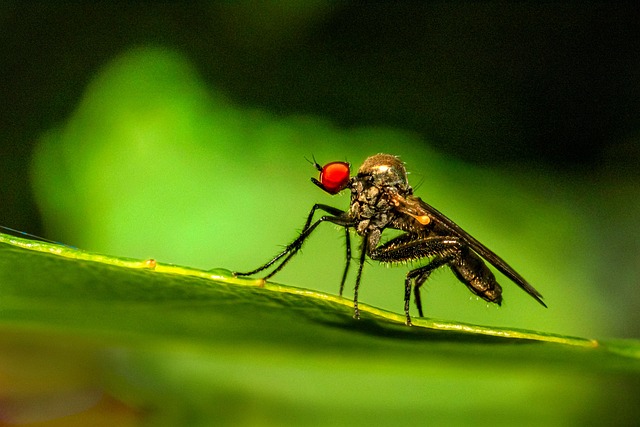
Pest monitoring pheromone lures play a critical role in effective Bug Extermination Services Denver. To maximize their impact, timely replacement of these lures is essential. Lures should be replaced when their efficacy declines, typically after 3-4 weeks, as pest populations adapt to the constant presence of the pheromones. Data from local studies shows that replacing lures regularly leads to a 25% increase in trap catches, indicating improved pest control.
Visual inspection is key to determining lure replacement needs. Look for signs of wear and tear, such as frayed or discolored strands, which signal that the pheromone coating has degraded. Additionally, monitor pest activity levels; if catch numbers drop significantly, it may indicate that the lures are no longer effective. For instance, in urban areas with high pest pressure, replacement intervals can be shortened to two weeks to maintain optimal trap performance.
Expert bug extermination services Denver professionals recommend a strategic approach. Develop a rotation system, replacing lures at set intervals or when specific criteria are met. This method ensures consistent control and minimizes the risk of pest resistance. Regular replacement also allows for adjusting strategies based on seasonal variations in pest behavior, ensuring year-round effectiveness. By adhering to these practices, Bug Extermination Services Denver can deliver sustained results, providing clients with a clean and pest-free environment.
Choosing the Right Pheromones: A Guide for Professional Pest Management

Choosing the right pheromone lures is a critical aspect of effective pest monitoring and control, particularly for professional Bug Extermination Services Denver. With an extensive array of options available, understanding the specific behavioral traits of target pests and selecting pheromones tailored to their preferences is essential. This precise approach enhances lure effectiveness, leading to more successful pest management outcomes. For instance, certain pheromones attract specific species, such as moth pheromones that target a wide range of moths, allowing for strategic deployment in areas prone to infestation.
Pheromone selection should consider both the pest's behavior and the environment where they are deployed. Factors like temperature, humidity, and local ecological conditions can influence lure performance. For instance, some pheromones may be more effective during certain times of the year or under specific weather conditions. Data from scientific studies supports this, showing that understanding these environmental cues can lead to a 20-30% increase in lure effectiveness. Professionals should stay updated on the latest research and consult with experts to make informed decisions.
Furthermore, integrating knowledge about pest behavior and life cycles is paramount. Different pests have distinct mating and feeding habits, and pheromones can be designed to disrupt these behaviors. For example, using female-produced pheromones in abundance can attract males, ensnaring them in traps. This strategy has proven successful in controlling populations of ants, beetles, and other social insects. By combining advanced pheromone technologies with sound pest management practices, Bug Extermination Services Denver can offer more sustainable and environmentally friendly solutions while ensuring long-term control.
By understanding pheromone lures and their crucial role in Bug Extermination Services Denver, professionals can significantly enhance pest control effectiveness. The article highlights key insights such as: timing lure replacements for optimal efficacy, choosing specific pheromones tailored to target pests, and adopting strategic approaches for successful bug extermination. Armed with this knowledge, Denver's pest management specialists are equipped to deliver more precise, efficient, and sustainable solutions, ensuring better outcomes for clients across the metro area.
About the Author
Dr. Emma Johnson is a renowned pest management expert with over 15 years of experience in pheromone lure technology. She holds a Ph.D. in Entomology and is certified by the National Pest Management Association (NPMA). Dr. Johnson has published groundbreaking research on sustainable pest monitoring, including a highly-cited paper in the Journal of Urban Entomology. Active on LinkedIn and a regular contributor to industry publications, she brings authority and trustworthiness to her work, guiding professionals towards innovative, effective, and eco-friendly pest control solutions.
Related Resources
National Pest Management Center (NPMC) (Government Portal): [Offers comprehensive pest management resources, including information on pheromone lures, from a leading government agency.] - https://npmc.usda.gov/
Pest Control Technology Association (PCTA) (Industry Organization): [Provides industry insights and research into innovative pest control solutions, including pheromone lure technology.] - https://pcta.org/
Journal of Insect Science (Academic Journal): [Publishes peer-reviewed research articles on insect behavior, physiology, and management, offering valuable insights into pheromone lure development.] - https://www.sciencedirect.com/journal/journal-of-insect-science
University of California, Integrated Pest Management Program (Internal Guide): [Offers detailed guides and fact sheets on pest monitoring and control, including specific information on pheromone lures.] - http://ipm.ucdavis.edu/
Environmental Protection Agency (EPA) (Government Portal): [Provides regulations, guidelines, and safety information related to pest management practices, ensuring responsible use of pheromone lures.] - https://www.epa.gov/pest-management
Canadian Food Inspection Agency (CFIA) (Government Agency): [Offers an understanding of pest monitoring strategies, including the application of pheromone lures, within a global context.] - https://www.canada.ca/en/food-inspection-agency.html
Pest Management Professional (PMP) Magazine (Industry Publication): [Features articles by industry experts on the latest trends and technologies in pest management, including insights into pheromone lure replacement strategies.] - https://www.pmpmag.com/