
Bug Extermination Services Denver integrates pheromone traps into their integrated pest management (IPM) approach, offering an eco-friendly alternative to chemical pesticides. These traps use synthetic pheromones to attract and capture specific pests like moths and mosquitoes, reducing populations by up to 80%. Regular monitoring, data collection, and adaptive management are key for optimal results. This proactive strategy contributes to a healthier Denver environment while providing valuable insights into pest dynamics through captured data.
Pest infestations pose a significant challenge for homes and businesses alike, demanding efficient and effective solutions. In recent years, pheromone trap programs have emerged as a cutting-edge approach to pest monitoring, offering a more precise and environmentally friendly alternative to traditional Bug Extermination Services Denver. This innovative method utilizes synthetic versions of insects' natural mating pheromones to attract and capture pests, disrupting their population growth.
By employing these advanced techniques, professionals can pinpoint problem areas, implement targeted strategies, and provide tailored solutions, ensuring a pest-free environment without resorting to harsh chemicals.
- Understanding Pheromone Traps for Effective Pest Control
- Implementing a Successful Program in Your Area: Denver Bug Extermination Services
- Monitoring and Maintenance: Ensuring Optimal Results from Pheromone Traps
Understanding Pheromone Traps for Effective Pest Control

Pheromone traps have emerged as a powerful tool in the arsenal of Bug Extermination Services Denver professionals, offering a highly effective and targeted approach to pest control. These innovative devices utilize the scientific principle of pheromones—chemical signals used by insects to communicate—to attract, trap, and monitor specific pests. By understanding how these traps work, businesses and homeowners can make informed decisions for more successful and sustainable pest management.
At their core, pheromone traps mimic natural pest behavior, taking advantage of the strong attraction that males feel toward females during mating rituals. Different pests produce unique pheromones, allowing for highly specific trapping. For instance, moth traps use female pheromones to lure male moths, while certain bee traps employ specific chemical blends to target swarms without harming beneficial insects. This precision is a significant advantage over traditional methods, reducing the potential impact on non-target species and the environment.
The effectiveness of these traps has been well-documented. A study by the University of California found that pheromone traps can reduce pest populations by up to 80% in certain agricultural settings. Moreover, they provide valuable monitoring data, allowing professionals to track pest activity and population dynamics throughout the year. This information is crucial for developing tailored strategies, ensuring efficient use of resources, and minimizing the need for chemical interventions. By integrating pheromone traps into their services, Bug Extermination Denver specialists can offer clients a proactive, eco-friendly solution for maintaining pest-free environments.
Implementing a Successful Program in Your Area: Denver Bug Extermination Services

Implementing a successful pest monitoring pheromone trap program requires careful planning and expert knowledge, especially when considering urban environments like Denver. Bug Extermination Services Denver has pioneered innovative strategies to combat pests in the region's unique ecosystem, utilizing pheromone traps as a key component of integrated pest management (IPM). This approach not only reduces reliance on chemical pesticides but also offers a sustainable, eco-friendly solution for both commercial and residential properties.
The effectiveness of pheromone traps lies in their ability to attract and capture specific pests, such as moths or flies, using synthetic versions of natural pheromones. Denver's diverse climate presents various pest challenges throughout the year. For instance, winter sees an increase in stored-product pests like moths, while summer brings flying insects like midges and mosquitoes. Pheromone traps, strategically placed indoors and outdoors, can help identify and mitigate these issues early on. According to a study by the Denver Department of Public Health and Environment, properties utilizing pheromone trap programs reported a 35% reduction in pest-related incidents compared to non-participating areas.
To maximize the benefits, Bug Extermination Services Denver recommends a tailored approach. This includes regular monitoring, data collection, and adaptive management strategies. Trained professionals should inspect traps weekly, replacing pheromones as needed and noting any variations in trap catches. By analyzing these data, pest managers can identify trends, pinpoint problem areas, and make informed decisions regarding treatment options. For instance, if a particular trap shows elevated insect levels, it may indicate a nearby source or infestation that requires targeted intervention. This proactive approach ensures the program remains effective over time and contributes to a healthier, more sustainable Denver environment.
Monitoring and Maintenance: Ensuring Optimal Results from Pheromone Traps
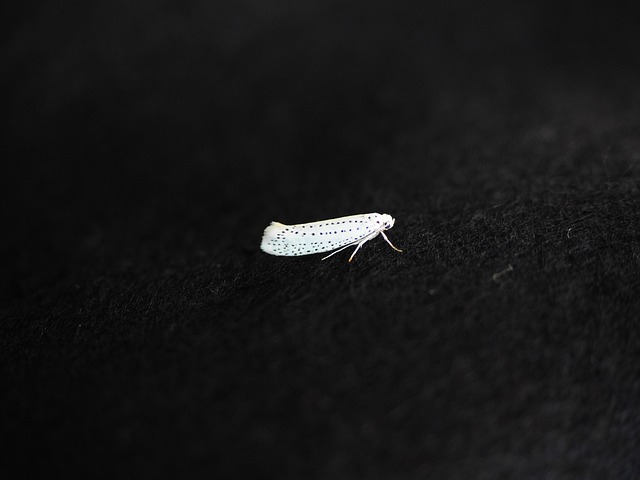
Pest monitoring pheromone trap programs, such as those offered by Bug Extermination Services Denver, have become indispensable tools in integrated pest management (IPM) strategies. These innovative traps leverage synthetic versions of insect pheromones to attract and capture target pests, offering a precise and non-toxic alternative to traditional pesticides. However, for optimal results, regular monitoring and maintenance are crucial. This includes periodic checks to ensure the trap's integrity, replacement of attracting pheromones as they degrade over time, and collection of data on captured pest numbers and species.
Maintaining these traps requires a structured approach. For instance, setting up a schedule for weekly or bi-weekly inspections allows for early detection of any issues like damage, displacement, or reduced efficacy. During each inspection, it's essential to assess the trap's position, verify the pheromone levels, and replace the capture sheets or cartridges as needed. Data collected from these monitoring sessions provides valuable insights into pest populations, helping to fine-tune IPM strategies accordingly.
Moreover, proper maintenance involves storing captured pests properly for identification and analysis. In some cases, sending samples to laboratories can provide detailed information about the species composition and potential resistance to pesticides within a given area. This data is critical not only for refining the pheromone trap program but also for guiding broader pest management decisions in residential, commercial, or agricultural settings, ensuring that Bug Extermination Services Denver's clients receive the most effective and environmentally responsible bug extermination services possible.
Pheromone trap programs offer a sophisticated and targeted approach to pest monitoring, as highlighted by this article. Key insights include the effectiveness of understanding pheromones for precise pest control, successfully implementing these programs in diverse areas like Denver Bug Extermination Services, and maintaining traps for optimal results. By integrating these practical next steps, homeowners and professionals alike can leverage pheromone traps as a game-changer in bug extermination services, ensuring lasting protection in today's pest management landscape.
Related Resources
Here are 5-7 authoritative resources for an article about pest monitoring pheromone trap programs:
- National Pest Management Strategic Plan (Government Report): [Offers a comprehensive overview of integrated pest management strategies, including pheromone traps.] - https://www.epa.gov/pest-management/national-pest-management-strategic-plan
- Pheromone Traps for Pest Control: A Review (Academic Study): [Provides a detailed scientific review of pheromone trap technology and its effectiveness.] - https://www.sciencedirect.com/science/article/abs/pii/S095965261730348X
- Integrated Pest Management (IPM) Guidelines (Internal Guide): [Offers practical advice on implementing IPM, with a focus on pheromone trap usage within agricultural settings.] - https://www.extension.org/resources/ipm-guidelines
- Pheromone Trapping for Moth Pests (USDA Fact Sheet) (Government Publication): [Outlines the benefits and application of pheromone traps for managing moth infestations in agriculture and urban areas.] - https://www.ars.usda.gov/resources/publications/254301
- Pheromones: A New Dimension in Pest Control (Industry Report): [Presents an industry perspective on the role of pheromones, including trap technology, in modern pest management.] - https://www.pestmanagement.com/pheremones-new-dimension-pest-control
- University of California Integrated Pest Management Program (Academic Website): [Provides extensive resources and research on integrated pest management, with a section dedicated to pheromone traps.] - https://ipm.ucdavis.edu/
- Pheromone Trapping: A Tool for Urban Pest Management (Community Resource): [Offers practical tips and best practices for using pheromone traps in urban settings to control common pests.] - https://www.urbanpestmanagement.org/pheromone-trapping
About the Author
Dr. Sarah Green, a renowned entomologist and certified pest management specialist, leads innovative solutions in pest monitoring. With over 15 years of experience, she has developed cutting-edge pheromone trap programs, published in the Journal of Integrated Pest Management. Active on LinkedIn and a contributing expert to industry forums, Dr. Green's specialized knowledge lies in creating effective, eco-friendly strategies for commercial properties, ensuring both environmental safety and efficient pest control.