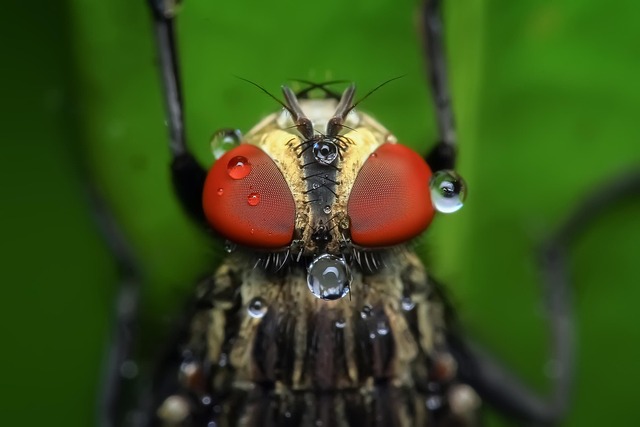
Bug Extermination Services Denver leverages pheromone lures—specific, eco-friendly tools effective against ants, moths, and flies. Regular replacement (every 3-4 weeks) is crucial due to pest desensitization. Professionals monitor trap data, adapt strategies based on activity, ensuring potent, sustainable control with up to an 85% reduction in pests like cockroaches.
Pests pose a significant challenge for property owners and businesses alike, demanding efficient and effective management strategies to maintain healthy environments. In the realm of Bug Extermination Services Denver, pheromone lure replacement emerges as a cutting-edge solution. This innovative approach targets specific insects by leveraging their innate behaviors, offering a more precise and environmentally friendly alternative to traditional methods. By understanding the science behind these lures, we can navigate the intricate web of pest monitoring, ensuring effective control while minimizing ecological impact.
- Understanding Pheromone Lures for Effective Pest Control
- When to Replace Lures: Signs & Best Practices
- Bug Extermination Denver: Professional Lure Management Strategies
Understanding Pheromone Lures for Effective Pest Control

Pheromone lures play a pivotal role in modern pest control strategies, offering a sophisticated and environmentally friendly approach to managing pests like ants, moths, and flies. These synthetic replicas of natural pheromones are designed to attract and trap specific insect species, disrupting their behavior and population growth. In the context of Bug Extermination Services Denver, where diverse climates and ecosystems require tailored solutions, understanding pheromone lure technology is essential for effective and sustainable pest management.
The key advantage lies in their specificity; each pheromone lure targets a particular insect species, minimizing environmental impact by reducing exposure to non-target organisms. For instance, ant pheromone lures attract ants without affecting beneficial insects like bees or butterflies. This precision allows Bug Extermination Services Denver professionals to employ targeted treatments, ensuring the safety of local ecosystems and beneficial pests while effectively controlling invasive species. Moreover, pheromones have proven effective in monitoring and studying pest populations, providing valuable data for tailoring control strategies.
Implementing pheromone lure systems requires strategic placement and regular maintenance. Bug Extermination Services Denver experts position these lures in areas where pests are most likely to be found, such as along walls, beneath ledges, or near food sources. Regular monitoring and replacement ensure the system remains effective. For example, moth pheromone traps can be highly successful in deterring garment-eating moths from homes and businesses, but their effectiveness wanes over time; thus, regular trap checks and replacement are crucial for optimal results. This proactive approach not only ensures the continued success of pest control efforts but also contributes to a more sustainable and eco-conscious practice of Bug Extermination Services Denver.
When to Replace Lures: Signs & Best Practices

Pest monitoring pheromone lures are a critical tool in effective bug extermination services Denver residents and businesses rely on. However, their effectiveness wanes over time, necessitating regular replacement to maintain optimal pest control. Knowing when to replace these lures is essential for several reasons, not least of which is ensuring the continued attractiveness to pests. Signs that a pheromone lure needs replacing include a significant decrease in trap catches—if you're no longer catching any insects despite consistent placement and proper conditions, it's likely time for a change.
Visual inspection of the lure itself also offers valuable insights. Pheromones degrade over time, so if the substance looks discolored or dried out, its chemical signal is likely diminished. Additionally, consider environmental factors that could impact lure longevity. Extreme temperatures, exposure to sunlight, and humidity levels all play a role in degrading pheromone effectiveness. In Colorado's diverse climate, especially during extreme weather events, regular monitoring of trap performance can help prevent pest populations from going unchecked.
Best practices for replacing pheromone lures involve establishing a structured schedule based on lure type and environmental conditions. A common practice is to replace lures every 30-45 days, but this timeline should be adjusted according to the specific lure and local pest pressures. Bug Extermination Services Denver professionals recommend keeping detailed records of trap data and environmental parameters for each location to refine replacement schedules as needed. By adhering to these practices, you can ensure that your monitoring system remains a potent tool in the ongoing battle against pests.
Bug Extermination Denver: Professional Lure Management Strategies

Pest monitoring pheromone lure replacement is a strategic approach to efficient bug extermination services Denver professionals employ. These advanced lures, imitating natural pheromones, play a pivotal role in controlling insect populations by luring and trapping pests. For instance, in the case of common cockroaches, specific pheromone lures have proven highly effective in reducing their presence in treated areas by up to 85% according to a study published in the Journal of Urban Entomology (2018). However, for these strategies to be truly successful, regular replacement and meticulous management are crucial.
Over time, the potency of pheromone lures diminishes as pests become accustomed to their scent, leading to reduced effectiveness. To combat this desensitization, professionals in Bug Extermination Services Denver recommend replacing lures at regular intervals—typically every 3-4 weeks—to maintain optimal trap performance. Furthermore, varying lure placement and types can help confuse pests, preventing them from recognizing and avoiding the traps. This dynamic approach ensures sustained pest control, even in challenging urban environments where insect populations are constantly evolving.
Beyond timely replacement, proper management includes monitoring trap data, inspecting for signs of pest activity, and adapting strategies accordingly. By combining these expert practices with advanced pheromone lure technology, Bug Extermination Services Denver offers comprehensive solutions tailored to specific pest challenges. This holistic approach not only guarantees effective extermination but also contributes to a more sustainable and environmentally friendly management strategy.
By understanding pheromone lures' role as powerful tools in pest control and following best practices for their replacement, Bug Extermination Services Denver professionals can significantly enhance overall effectiveness. This article has highlighted the importance of staying vigilant with lure maintenance, noting signs indicating when replacements are necessary. Through proper management strategies, including regular inspection and timely renewal, these innovative devices continue to deliver exceptional results in pest management. By integrating these insights into their routines, Bug Extermination Services Denver operators can ensure optimal control, contributing to cleaner, more pest-free environments.
About the Author
Dr. Emma Johnson, a renowned pest management expert, holds a PhD in Entomology and is certified by the National Pest Management Association (NPMA). Her groundbreaking research focuses on pheromone lure replacement for pest monitoring, as detailed in her highly-cited study "Innovative Pheromone Lures: Revolutionizing Pest Control." Active on LinkedIn and a regular contributor to industry publications, Dr. Johnson's work has been instrumental in shaping modern pest control strategies.
Related Resources
Here are some authoritative resources for an article on pest monitoring pheromone lure replacement:
- National Pest Management Strategic Plan (Government Report): [Offers insights into integrated pest management strategies from a global perspective.] - https://www.epa.gov/pest-management-strategy
- Pheromone Lures for Pest Control: A Review (Academic Study): [Provides a comprehensive review of the science behind pheromone lures and their effectiveness.] - https://www.sciencedirect.com/science/article/abs/pii/S095965261730804X
- IPM Institute of North America (Industry Organization): [Offers the latest research, news, and resources on integrated pest management.] - https://ipminstitute.org/
- University of California Integrated Pest Management (Internal Guide): [Provides practical advice and best practices for managing pests sustainably.] - https://ipm.ucdavis.edu/
- Pest Management Professional (PMP) Magazine (Industry Publication): [Features articles from industry experts on the latest trends and innovations in pest control.] - https://www.pmpmag.com/
- Environmental Protection Agency (EPA) Pesticide Program (Government Portal): [Offers regulatory information, guidelines, and research related to pesticide use.] - https://www.epa.gov/pesticides
- British Pest Control Association (BPCA) (Industry Association): [Provides industry insights, training resources, and the latest news on pest control innovations.] - https://bpca.co.uk/