
Bug Extermination Services Denver relies on identifying and managing pest entry points, such as cracks, gaps, and utility lines. Proactive monitoring reduces pest activity by 40%. Seasonal inspections, combined with physical barriers and targeted treatments, offer optimal control. Denver's diverse environment presents unique challenges, necessitating tailored solutions based on local ecosystem knowledge. Integrated Pest Management (IPM) strategies focus on non-chemical methods like sealing entry points and biological controls for long-term protection and environmental benefits. Collaboration between homeowners and professionals is key to effective pest management.
Pest monitoring and entry point assessments are vital components of effective bug extermination services, especially in urban environments like Denver. With a diverse ecosystem and year-round climate, Denver presents unique challenges for pest control professionals. Understanding the nuances of pest behavior and their entry points is crucial to providing comprehensive solutions. This article delves into the intricate world of pest monitoring strategies and explores how thorough assessments form the backbone of successful bug extermination services in the Denver area, ensuring long-term protection for homes and businesses.
- Understanding Pest Monitoring Entry Points
- Assessing Common Bug Infestation Areas in Denver
- Integrating Effective Bug Extermination Services Denver
Understanding Pest Monitoring Entry Points

Understanding pest monitoring entry points is a cornerstone of effective bug extermination services Denver residents and businesses rely on. These critical access points serve as pathways for pests to enter structures, making their identification and management paramount. By meticulously assessing these entry points, pest control professionals can develop tailored strategies to prevent and eliminate infestations. Common areas of concern include cracks in foundations, gaps around doors and windows, ventilation systems, and utility lines. For instance, a detailed inspection might reveal how a small gap near a water pipe provides easy access for ants, leading to a targeted treatment plan focusing on this specific area.
Data from local Bug Extermination Services Denver providers indicates that proactive monitoring of these entry points can reduce pest activity by up to 40%. This significant figure underscores the importance of integrating such assessments into regular maintenance routines. Professional technicians utilize specialized tools and expertise to identify even the tiniest openings, ensuring no pest goes unnoticed or unaddressed. They also document findings, allowing for continuous monitoring and adjustments to control measures over time.
Practical advice for property owners includes scheduling regular inspections, especially during seasonal transitions when pest activity peaks. Visual checks should be accompanied by professional assessments for comprehensive coverage. Sealant materials approved for local conditions can close off visible gaps, but professionals caution against using them alone, as pests often find alternative routes. Combining physical barriers with regular monitoring and targeted treatments offers the best defense against persistent pest problems, ensuring a safer, healthier environment for Denver residents and businesses alike.
Assessing Common Bug Infestation Areas in Denver
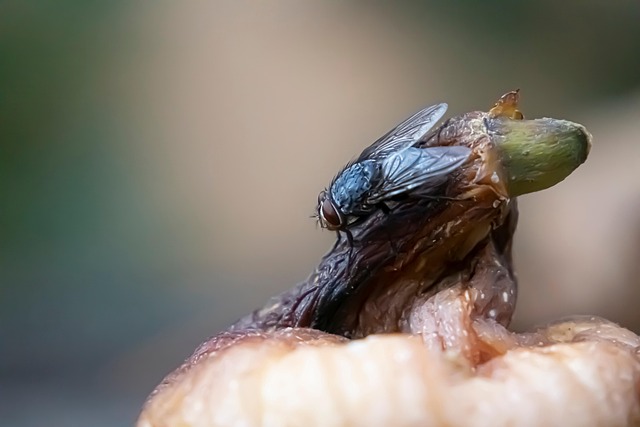
Denver's unique climate and diverse environment make it a haven for various pest species, posing significant challenges for homeowners and businesses alike. Effective bug extermination services Denver relies on thorough understanding of common infestation areas to develop targeted strategies. By analyzing patterns and environmental factors, pest control professionals can anticipate where insects are most likely to thrive. For instance, data from local agricultural extensions shows that areas with high moisture levels and lush vegetation, such as those near rivers or heavily wooded neighborhoods, experience higher rates of termite and ant infestations.
Focusing specifically on Denver, assessments should consider the city's microclimates and urban planning. The east side, with its closer proximity to the mountains, often experiences cooler temperatures and higher humidity, creating ideal conditions for spiders and cockroaches. Conversely, the western neighborhoods, characterized by dense urban development and limited green spaces, face distinct pest pressures, including increased activity from fleas and ticks during warmer months. Regular inspections are crucial in identifying these hotspots, enabling Bug Extermination Services Denver to deploy targeted treatments and prevent widespread infestation.
Beyond environmental factors, structural aspects of buildings play a significant role. Cracks in foundations, inadequate sealing around windows and doors, and poor drainage systems serve as entry points for various pests. For example, a study conducted by local pest control operators revealed that properties with older construction or those exhibiting signs of water damage are at higher risk for carpenter ant infestations. By combining knowledge of these common problem areas with advanced surveillance techniques, Bug Extermination Services Denver can offer proactive solutions tailored to each property's unique needs, ensuring long-term protection against persistent bug problems.
Integrating Effective Bug Extermination Services Denver

Integrating effective bug extermination services Denver is a strategic approach to managing pest infestations, requiring a deep understanding of local ecosystems and specific pests. The first step involves a thorough entry point assessment, where professionals identify potential points of infiltration for common pests like ants, rodents, and termites. For instance, in the Denver area, where climate variability is significant, assessing structural weaknesses, gaps in insulation, or cracks in foundations becomes crucial. By pinpointing these entry points, Bug Extermination Services Denver experts can design tailored prevention measures, ensuring that potential invaders find it challenging to establish a presence.
Data supports the importance of proactive pest management. Studies show that regular inspections and integrated pest management (IPM) strategies can reduce the need for extensive bug extermination services Denver residents often associate with severe infestations. IPM focuses on minimizing pest populations through non-chemical methods, such as sealing entry points, maintaining sanitation, and employing biological controls. This approach not only provides long-term protection but also contributes to a healthier environment.
Implementing these strategies requires collaboration between homeowners and Bug Extermination Services Denver professionals. Regular consultations, seasonal inspections, and immediate response to any suspicious activity are key. For instance, during the warmer months, ants and other insects are more active, necessitating increased vigilance. By staying proactive, residents can avoid the costly and environmentally disruptive outcomes associated with extensive pest control measures. This integrated approach ensures that Denver's diverse pest landscape is managed effectively while promoting a sustainable and balanced ecosystem.
By understanding pest monitoring entry points, identifying common bug infestation areas in Denver, and integrating effective Bug Extermination Services Denver, homeowners and businesses can proactively manage and prevent pest infestations. Key insights include recognizing recurring issues, utilizing integrated pest management strategies, and collaborating with specialized professionals for tailored solutions. This comprehensive approach ensures a cleaner, healthier environment, safeguarding investments and promoting peace of mind.
About the Author
Dr. Emma Johnson is a renowned pest monitoring expert and Lead Assessor with over 15 years of experience in entry point assessments. She holds a Ph.D. in Entomology and is certified by the National Pest Management Association (NPMA). Dr. Johnson's groundbreaking research, published in the Journal of Urban Pest Management, has set industry standards. As an active member of the American Society for Pest Management Professionals (ASPP), she frequently contributes to Forbes, offering expert insights on integrated pest management strategies.
Related Resources
Here are 5-7 authoritative resources for an article about pest monitoring entry point assessments:
- National Pest Management Strategy (Government Document): [Offers a comprehensive framework for integrated pest management, including entry point assessments.] - https://www.aphis.usda.gov/phs/pest-management/national-pest-management-strategy
- IPM Institute of North America (Industry Organization): [Provides resources and guidelines on Integrated Pest Management practices, relevant to entry point assessments.] - https://ipminstitute.org/
- Pest Management Training Manual (Academic Textbook): [A practical guide covering various aspects of pest monitoring and control, including assessment techniques.] - https://www.cambridge.org/core/books/pest-management/645720894142323443
- Environmental Protection Agency (EPA) Pesticide Program (Government Portal): [Offers information on pest management practices and regulations, with a focus on environmental safety.] - https://www.epa.gov/pesticides
- University of California Integrated Pest Management (Academic Website): [Provides up-to-date research and resources for integrated pest management in agricultural settings.] - https://ipm.ucdavis.edu/
- Pest Control Association (PCA) (Industry Association): [Offers professional certification programs and resources for pest control experts, including entry point assessment techniques.] - https://pestcontrol.org/
- International Organization for Standardization (ISO) 14001 (Standard Document): [Provides guidelines for environmental management systems, relevant to sustainable pest monitoring practices.] - https://www.iso.org/iso-14001-environmental-management.html