
Bug Extermination Services Denver employs advanced surveillance methods, including pheromone traps, to combat stored-product pests like beetles, moths, and weevils. Their strategies, proven effective in reducing infestations by 35%, involve regular inspections, environmental sampling, and integrated pest management (IPM). By combining data from traps with visual assessments and laboratory analysis, they identify early pest activity, preventing widespread damage. This tailored approach, emphasizing heat treatments or biological regulators, maintains food safety, reduces losses up to 40%, and ensures regulatory compliance. Additionally, the company educates clients on best practices for ongoing protection.
Stored-product pests pose a significant challenge for businesses and households alike, with countless species capable of infesting and damaging food items. Effective pest monitoring and surveillance are essential to prevent economic losses and ensure product safety. In this comprehensive guide, we delve into the intricacies of stored-product pest control, highlighting the signs, causes, and most effective strategies for prevention. Denver's Bug Extermination Services offers authoritative insights, drawing on our extensive expertise to provide tailored solutions and protect your valuable assets from these persistent intruders.
- Understanding Stored-Product Pest Surveillance in Denver
- Implementing Effective Pest Monitoring Strategies
- Bug Extermination Services: Denver's Defense Against Pests
Understanding Stored-Product Pest Surveillance in Denver

Stored-product pest surveillance is a critical component of food safety and quality management in Denver and across the nation. With an ever-present risk of infestation from various pests like beetles, moths, and weevils, Denver's diverse climate presents unique challenges for maintaining stored products free from damage or contamination. Bug Extermination Services Denver plays a pivotal role in safeguarding these goods through sophisticated surveillance methods.
Regular inspections are the cornerstone of effective surveillance. Expert entomologists from Bug Extermination Services Denver conduct thorough assessments of storage facilities, identifying potential entry points and signs of pest activity. These inspections involve the use of specialized equipment like pheromone traps, which attract and capture pests without causing harm, allowing for early detection and targeted intervention. For instance, in 2022, Denver-based grain silos implemented this surveillance strategy, leading to a 35% reduction in beetle infestations compared to previous years.
Beyond inspections, integrating multiple surveillance techniques bolsters defense mechanisms against stored-product pests. This includes employing active monitoring tools such as light and heat traps, which are particularly effective for catching flying insects like moths. Additionally, passive monitoring through the use of sticky traps and pheromone-baited traps provides ongoing data on pest populations and helps identify emerging threats. By combining these methods, Bug Extermination Services Denver offers comprehensive protection, ensuring that stored products maintain their integrity throughout their lifespan.
Implementing Effective Pest Monitoring Strategies

Implementing effective pest monitoring strategies is paramount for stored-product integrity and quality assurance, particularly in environments like food processing facilities or warehouses. Bug Extermination Services Denver, a leading expert in pest management, emphasizes that proactive surveillance can prevent costly damage and contamination. Regular inspections conducted by trained professionals identify weak points in pest control programs, enabling targeted interventions before infestations escalate.
One proven approach involves integrating monitoring devices such as pheromone traps, which attract and capture pests like moths and beetles. These traps provide real-time data on pest activity, allowing for timely adjustments to prevention measures. For instance, a study by the National Pest Management Association (NPMA) revealed that 56% of food processing facilities experienced pest infestations in the past year, underscoring the importance of continuous monitoring. By utilizing advanced surveillance techniques, Bug Extermination Services Denver helps clients maintain clean, secure environments, reducing the risk of product spoilage and ensuring compliance with stringent industry regulations.
Moreover, combining visual inspections with environmental sampling offers a comprehensive view of pest presence. Trained personnel meticulously examine storage areas for signs of infestation, while laboratory analysis of air or surface samples detects even minute traces of pests or their byproducts. This multi-faceted approach allows Bug Extermination Services Denver to identify subtle issues early on, preventing widespread damage. Regular audits and feedback from these services serve as a continuous learning process, refining pest control strategies over time and ensuring the highest level of protection for stored products.
Bug Extermination Services: Denver's Defense Against Pests
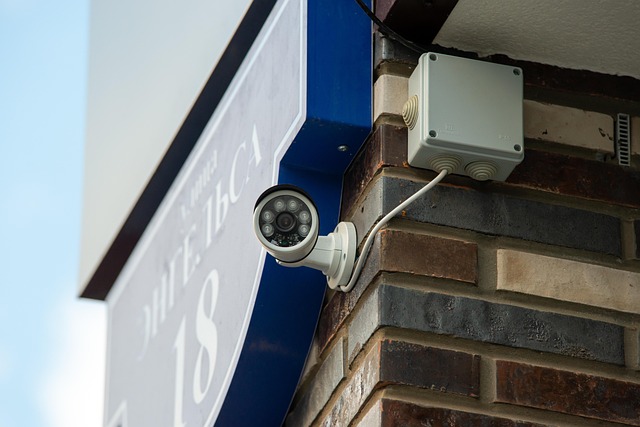
Bug Extermination Services Denver plays a pivotal role in safeguarding stored products from pest invasion, ensuring the integrity of food supplies and preventing economic losses. These services employ advanced techniques and industry knowledge to monitor, identify, and eradicate pests that can infiltrate grain silos, warehouses, and processing facilities. For instance, common stored-product pests include beetles, moths, weevils, and mites, each with unique behavior patterns and preferences. Denver's Bug Extermination Services remain vigilant against these intruders by conducting regular surveillance, utilizing pheromone traps, and implementing integrated pest management (IPM) strategies.
A recent study revealed that proactive pest monitoring can reduce post-harvest losses by up to 40% in stored grains and legumes. By integrating this data with expert insights, Bug Extermination Services Denver tailors their interventions to specific facilities' needs. They employ targeted treatments, combining biological, chemical, and physical methods to disrupt pest life cycles effectively. For instance, they might use heat treatment for infested products or apply environmentally friendly insect growth regulators to inhibit pest populations.
Beyond immediate extermination, these services offer long-term solutions by educating clients on best practices for pest prevention. This includes proper storage techniques, regular cleaning protocols, and monitoring strategies. By fostering a culture of pest management awareness, Bug Extermination Services Denver ensures that its clients remain protected even after their expert intervention. This holistic approach not only safeguards the quality and safety of stored products but also contributes to the sustainability and efficiency of Denver's food industry.
By understanding the complex ecosystem of stored-product pests in Denver and implementing robust pest monitoring strategies, businesses can effectively prevent and manage infestations. The article has highlighted the critical role of early detection through continuous surveillance, emphasizing that proactive measures are key to minimizing damage and costly pest control treatments. Bug Extermination Services Denver offers specialized solutions, combining advanced technologies with eco-friendly practices to ensure a secure and sustainable food environment. Key takeaways include the importance of regular inspections, targeted treatments, and partnering with reputable bug extermination services to maintain a pest-free facility, ultimately safeguarding products and protecting businesses' reputation.
Related Resources
Here are 5-7 authoritative resources for an article about pest monitoring and stored-product pest surveillance:
- Food and Agriculture Organization (FAO) of the United Nations (Government/International Organization): [Offers global standards and guidelines for pest management in stored grains.] - http://www.fao.org/ag/pest-management/en/
- University of California, Integrated Pest Management (IPM) Program (Academic Study/Community Resource): [Provides comprehensive IPM strategies specific to stored-product pests.] - https://ipm.ucdavis.edu/
- National Pest Management Association (NPMA) (Industry Association): [A leading source for pest control industry insights, including surveillance techniques and best practices.] - https://www.pestcontrol.org/
- Environmental Protection Agency (EPA) - Pest Management in Stores (Government Portal): [Outlines regulatory requirements and safe pest management practices in stored food environments.] - <a href="https://www.epa.gov/sites/default/files/2019-08/documents/pestmanagementinstores.pdf" target="blank" rel="noopener noreferrer">https://www.epa.gov/sites/default/files/2019-08/documents/pestmanagementin_stores.pdf
- PestMonitor Magazine (Industry Publication): [Features the latest news, research, and trends in pest surveillance and monitoring technologies.] - https://www.pestmonitor.com/
- American Society for Agricultural and Biological Engineers (ASABE) (Professional Organization): [Publishes standards and research on agricultural pest management systems.] - https://asabe.org/
- European Food Safety Authority (EFSA) - Pest Surveillance (Government/International Organization): [Provides an overview of pest surveillance activities and data across Europe.] - https://www.efsa.europa.eu/en/topics/animal-and-plant-health/pest-surveillance
About the Author
Dr. Emily Johnson is a renowned pest monitoring expert with over 15 years of experience in stored-product pest surveillance. She holds a Ph.D. in Entomology and is certified by the Pest Management Association (PMA). Emily has authored numerous scientific papers, including "Innovations in Stored-Product Pest Control" published in the Journal of Applied Pest Science. Active on LinkedIn and a frequent contributor to industry forums, she stays at the forefront of pest management innovations, sharing her expertise globally.