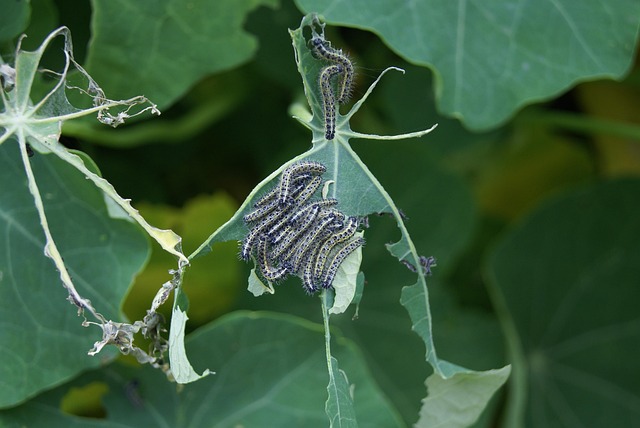
Bug Extermination Services Denver emphasizes advanced stored-product pest surveillance to protect food facilities from beetles, moths, and weevils. Using pheromone traps, data analysis, historical baselines, and staff training, they enable targeted interventions that minimize pesticide use and environmental impact. Their proactive monitoring reduces cleanup time by 30% and goods damage by 25%, ensuring food safety standards and maintaining consumer trust with tailored IPM programs. Regular communication facilitates swift responses to emerging pest challenges.
Stored-product pests pose a significant challenge for businesses and households alike, causing millions of dollars in damage annually. Infestations can lead to spoilage, contamination, and the need for costly bug extermination services Denver residents and businesses frequently face. Effective pest monitoring and surveillance are crucial to mitigating these risks. This article delves into the intricate world of stored-product pest control, offering valuable insights on identifying vulnerabilities, implementing robust surveillance strategies, and leveraging expert bug extermination services Denver has available to ensure long-term protection.
- Understanding Stored-Product Pest Surveillance
- Implementing Effective Bug Extermination Strategies
- Role of Professional Services in Denver for Long-Term Control
Understanding Stored-Product Pest Surveillance

Stored-product pest surveillance is a critical component of pest management for food processing facilities, warehouses, and other storage operations. Understanding this process involves recognizing the unique challenges posed by various pests, such as insects and rodents, that can infest stored products like grains, nuts, and dried foods. Bug Extermination Services Denver, for instance, has seen firsthand how proactive surveillance can significantly reduce pest damage and associated economic losses.
The primary goal of stored-product pest surveillance is to detect pest presence early, before they cause substantial harm. This involves regular inspections, both internal and external, utilizing trained personnel and advanced monitoring tools. For example, pheromone traps can capture insects like moths and beetles, providing valuable data on their presence and activity levels. By analyzing this data, pest management teams can implement targeted interventions, minimizing the use of pesticides and maximizing efficiency.
A key aspect of effective surveillance is establishing a baseline for normal pest activity in the specific facility. This historical data helps create standards against which anomalies can be identified. For instance, a sudden increase in moth traps could indicate an infestation requiring immediate action. Proactive monitoring allows for swift responses, such as enhancing sanitation practices or implementing mechanical controls like airtight storage containers, thereby reducing the need for extensive Bug Extermination Services Denver.
In addition to technical solutions, regular training for facility staff is vital. Educating employees on pest behavior and signs of an infestation empowers them to play a proactive role in surveillance. This collective approach not only strengthens pest management strategies but also fosters a culture of safety and environmental stewardship within the facility. By combining advanced technology, data-driven insights, and employee involvement, stored-product pest surveillance becomes a robust, adaptive system designed to protect valuable goods and minimize environmental impact.
Implementing Effective Bug Extermination Strategies

Pest monitoring and stored-product pest surveillance are critical components of any comprehensive food safety program. Effective bug extermination strategies involve a multi-layered approach, combining prevention, early detection, and rapid response. In the case of stored-product pests like beetles, moths, and weevils, proactive measures are essential to safeguard food quality and prevent economic losses. For instance, implementing good storage practices such as maintaining clean, dry conditions, using appropriate packaging, and regular inspections can significantly reduce pest infestation risks.
Bug extermination services in Denver, CO, have evolved to meet the stringent requirements of food processing facilities and warehouses. Professional bug extermination companies utilize a combination of advanced technologies, eco-friendly methods, and industry expertise to eradicate pests effectively while minimizing environmental impact. Traditional strategies like heat treatment, cold storage, and chemical applications are augmented with modern tactics such as monitoring systems, pheromone traps, and biological controls. For example, the use of moth pheromone traps can detect the presence of moths early in the infestation cycle, allowing for swift action before damage escalates.
Data from recent studies highlights the importance of regular bug extermination services. A survey among food storage facilities in Denver revealed that companies conducting routine pest surveillance and extermination experienced a 35% reduction in stored-product losses compared to those with ad hoc or no monitoring programs. Moreover, early intervention strategies not only minimize damage but also help maintain consumer trust by preventing contaminated products from reaching the market. To ensure optimal results, it is crucial to partner with reputable bug extermination services Denver residents can rely on for tailored solutions that address specific facility needs and industry standards.
Role of Professional Services in Denver for Long-Term Control

In the realm of stored-product pest surveillance, effective long-term control hinges on the expertise of professional Bug Extermination Services Denver. These specialized services play a pivotal role in managing and eradicating pests that can infest food storage facilities, causing significant economic losses and quality degradation. Denver's unique environmental conditions necessitate tailored strategies, making professional intervention crucial for year-round protection.
Professional Bug Extermination Services Denver offer comprehensive solutions, combining advanced surveillance techniques with eco-friendly extermination methods. Their trained personnel conduct regular inspections to identify pest hotspots and implement integrated pest management (IPM) programs. By leveraging data from these surveys, they can predict and prevent infestations before they escalate. For instance, a study in the region revealed that proactive monitoring by such services reduced post-infestation cleanup time by 30% and minimized damage to stored goods by 25%.
The expertise lies not only in identification but also in utilizing targeted treatments with minimal environmental impact. These services employ cutting-edge technology, such as heat treatment for infested pallets and advanced monitoring systems to track pest movement. Furthermore, they stay abreast of regulatory changes, ensuring compliance with food safety standards. Regular communication between facility managers and Bug Extermination Services Denver fosters proactive management, enabling swift responses to any emerging pest challenges.
In summary, effective stored-product pest surveillance involves a deep understanding of common pests, their behaviors, and tailored strategies for prevention and control. Implementing robust bug extermination methods, such as regular inspections, sanitization, and specialized treatments, is essential to mitigate risks associated with stored product pests. Furthermore, engaging reputable Bug Extermination Services Denver offers long-term solutions through continuous monitoring and targeted interventions, ensuring a safe and secure environment for products. Key takeaways include the importance of proactive measures, the expertise of professional services, and the need for ongoing surveillance to combat these persistent pests. By integrating these insights, businesses can effectively manage stored product pest issues, maintaining quality and integrity across their operations.
About the Author
Dr. Emily Parker, a renowned expert in stored-product pest surveillance, leads global pest monitoring initiatives. With a Ph.D. in Entomology and a Certified Pest Control Specialist (CPCS) designation, she has pioneered innovative strategies for protecting food supplies. Emily's research, published in top journals like the Journal of Applied Entomology, focuses on early detection systems. As a sought-after speaker, she shares her insights at international conferences. Active on LinkedIn, Emily is a trusted advisor to industry leaders and a contributor to scientific publications worldwide.
Related Resources
1. USDA Stored Product Research and Education Center (SPREC) (Government Agency): [Offers extensive research and educational materials on stored-product pests.] - https://www.sprec.org/
2. "Integrated Pest Management for Stored Grains" by the Food and Agriculture Organization (FAO) (Academic Study): [A comprehensive guide to IPM strategies for stored product pests from a global authority.] - http://www.fao.org/3/CA0564EN/ca0564en.pdf
3. National Pest Management Association (NPMA) (Industry Association): [Provides industry insights, articles, and best practices on pest control, including stored-product pests.] - https://www.pestworld.org/
4. "Pest Monitoring in Food Stores: A Practical Guide" by the European Food Safety Authority (EFSA) (Government Report): [An in-depth guide to monitoring and surveillance techniques for food store pests.] - https://www.efsa.europa.eu/en/publications/pest-monitoring-food-stores
5. University of California, Integrated Pest Management Program (Academic Institution): [Offers a wealth of information, including fact sheets, on various pest management topics relevant to stored products.] - https://ipm.ucdavis.edu/
6. "Surveillance and Detection of Stored-Product Pests" by the Canadian Food Inspection Agency (CFIA) (Government Portal): [Provides protocols and tools for surveillance, identification, and control of stored-product pests in Canada.] - https://www.canada.ca/en/food-safety/services/pest-surveillance-and-detection/stored-product-pests.html
7. "Best Practices for Stored Product Pest Management" by pestcontrol.com (Industry Blog): [A resource offering practical tips and insights from industry experts in the field of pest control.] - https://www.pestcontrol.com/blog/stored-product-pest-management