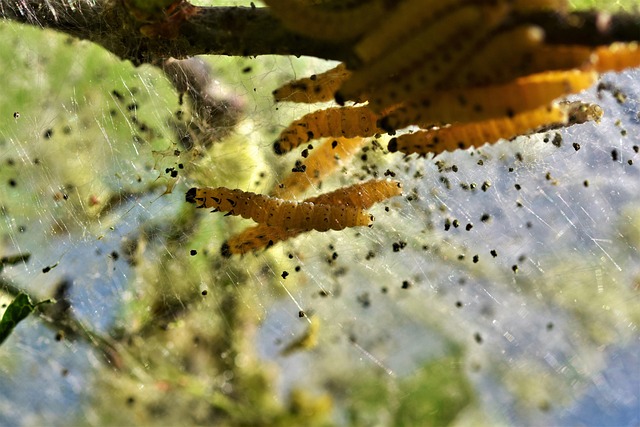
Bug Extermination Services Denver face unique challenges due to Denver's complex drainage network facilitating pest entry. Advanced monitoring techniques include trap placement, inspection dogs, and IPM systems for early detection. Customized treatments, such as IPM, biological controls, heat treatment, and targeted pesticides, are used to address diverse pests. Prevention strategies emphasize sealing entry points, sanitation, moisture control, and regular maintenance. Combining technology, scientific knowledge, and personalized services, Bug Extermination Services Denver offers effective pest control solutions for residential and commercial properties.
In the dynamic landscape of modern urban living, particularly within the bustling metropolis of Denver, efficient pest monitoring is a cornerstone of maintaining healthy environments. Pests, from rodents to insects, can swiftly transform manageable issues into costly and unsanitary crises. Traditional methods often fall short in addressing these hidden threats, especially when embedded in complex drainage systems. This article delves into the critical interplay between drain monitoring and advanced treatments, offering valuable insights for both property owners and Bug Extermination Services Denver professionals alike. By understanding these integrated strategies, we empower ourselves to safeguard our spaces from insidious invaders.
- Understanding Drainage Systems & Bug Infestations in Denver
- Monitoring Techniques for Effective Pest Control Strategies
- Professional Bug Extermination Services Denver: Treatments & Prevention
Understanding Drainage Systems & Bug Infestations in Denver
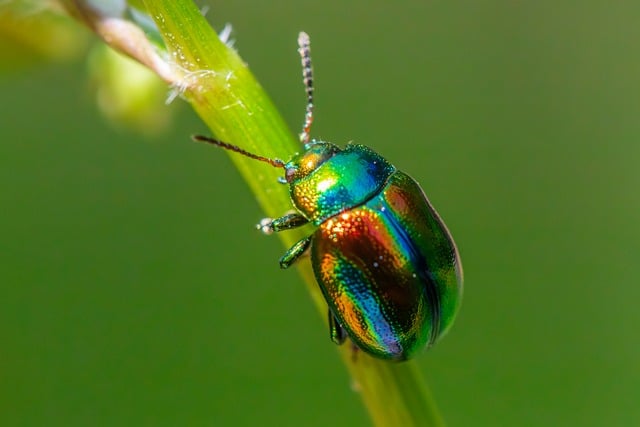
Denver's complex drainage network, encompassing vast sewers, pipes, and storm drains, presents a unique challenge when it comes to pest monitoring and control. The city's diverse climate, with its dry summers and snowy winters, creates an environment that attracts various insects and rodents seeking water and shelter. Understanding this intricate system is paramount in effective bug extermination services Denver residents rely on.
The city's drainage systems often serve as highways for pests, with sewer lines acting as invisible tunnels for mice, rats, and other vermin. These creatures are not just a nuisance; they can cause significant damage to homes and buildings by chewing through wiring, insulation, and pipes. For instance, a 2018 study by the Denver Health Department revealed that rat infestations in certain neighborhoods were linked to inadequate drainage, leading to increased health risks for residents. Professional bug extermination services Denver companies employ must consider these hidden pathways to implement successful long-term solutions.
Regular monitoring involves inspecting drains and sewer lines for signs of pest activity, including droppings, gnaw marks, or unusual noises. Advanced surveillance techniques, such as infrared cameras and acoustic sensors, can detect even the tiniest invaders. Once identified, specialized treatments like sealing entry points, installing traps, and applying targeted pesticides become crucial. Bug extermination services Denver professionals offer must adhere to strict regulations to ensure environmental safety while effectively managing these infestations.
Monitoring Techniques for Effective Pest Control Strategies
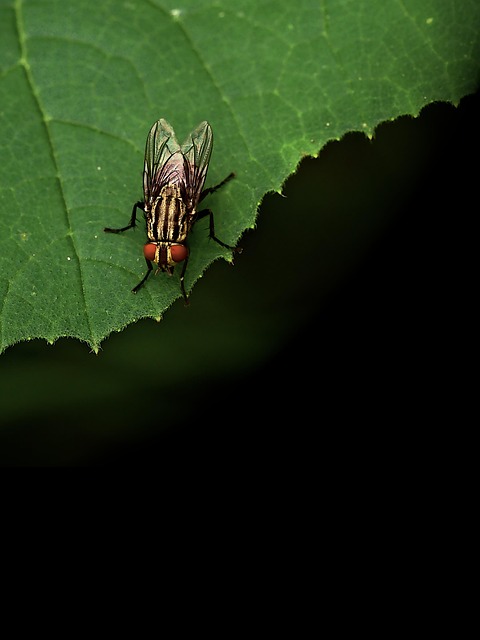
Pest monitoring is a critical component of effective bug extermination services, enabling professionals in Denver to employ tailored strategies for diverse insect infestations. Advanced techniques have revolutionized pest control, ensuring precise identification and rapid response. One such method involves trap placement, where specialized devices are strategically positioned to capture and monitor pests. For instance, pheromone traps are highly effective in detecting specific insects by leveraging their natural attraction to synthetic mimicry. This technique allows for early detection, crucial for preventing widespread infestation.
Another powerful monitoring tool is the use of inspection dogs, trained to detect subtle scents associated with various pests. These canines possess an extraordinary sense of smell, enabling them to locate infestations, even in hidden areas. For example, a study by the University of Florida found that inspection dogs can accurately identify bed bugs with remarkable consistency, making them invaluable assets for bug extermination services. Combined with regular property assessments, these monitoring methods provide comprehensive data for developing integrated pest management (IPM) plans.
Data-driven insights are transforming pest control practices in Denver and beyond. Integrated Pest Monitoring (IPM) systems integrate multiple surveillance techniques to gather real-time information about pest populations. By analyzing trends and patterns, professionals can anticipate potential outbreaks and adjust treatments accordingly. This proactive approach not only enhances the effectiveness of bug extermination services but also contributes to a more sustainable environment by minimizing the use of chemical pesticides.
Professional Bug Extermination Services Denver: Treatments & Prevention

Bug Extermination Services Denver plays a pivotal role in maintaining a healthy and safe environment for both residential and commercial spaces. When it comes to pest monitoring, professionals in Denver employ advanced techniques to detect even the most subtle signs of infestation. Regular inspections are crucial; they allow for early identification of pests like roaches, ants, termites, or rodents, which can cause significant damage if left unchecked. For instance, a study by the University of Colorado revealed that timely intervention can reduce pest-related costs by up to 50%.
Treatment options are tailored to the specific pest and extent of the infestation. Integrated Pest Management (IPM) is a holistic approach favored by Bug Extermination Services Denver experts. This method combines various strategies, including biological control, habitat manipulation, and targeted applications of pesticides. For example, for ant infestations, professionals might use bait stations that attract and eliminate ants without harming pets or humans. In more severe cases, heat treatment or steam remediation can be employed to eradicate pests and their eggs from hard-to-reach areas.
Prevention is an integral part of the Bug Extermination Services Denver expertise. They offer tailored advice on sealing entry points, maintaining proper sanitation, and managing moisture levels—all critical factors in deterring pest activity. Regular maintenance and cleaning routines, combined with professional treatments, create a robust defense mechanism against pests. For instance, keeping food waste secured and eliminating standing water can significantly reduce mosquito breeding sites, mitigating the risk of disease transmission. By combining advanced technology, scientific knowledge, and personalized services, Bug Extermination Services Denver ensures effective pest control and peace of mind for its clients.
By understanding Denver's unique drainage systems and their role in bug infestations, homeowners and property managers can proactively prevent and address pest issues effectively. The article highlights advanced monitoring techniques that allow for early detection of bugs, enabling targeted and efficient Bug Extermination Services Denver. Professional exterminators utilize these methods to identify the root causes of infestations, ensuring long-lasting solutions. Key insights emphasize the importance of regular maintenance, prompt action, and relying on experts to mitigate pest problems in this region. This comprehensive guide equips readers with the knowledge to protect their properties and offers a strategic approach to maintaining a bug-free Denver environment.
Related Resources
Here are 7 authoritative resources for an article about pest monitoring, drain monitoring, and treatments:
- Environmental Protection Agency (EPA) (Government Portal): [Offers government insights and guidelines on integrated pest management and environmental safety.] - https://www.epa.gov/pestmanagement
- University of California, Integrated Pest Management (IPM) Program (Academic Study): [Provides extensive research-backed information and best practices for IPM.] - https://ipm.ucdavis.edu/
- National Pest Management Association (NPMA) (Industry Leader): [Features industry insights, articles, and expert advice on pest control topics.] - https://www.npma.org/
- Harvard Pest Management Guide (Internal Guide): [Offers a comprehensive guide tailored to Harvard University's campus, suitable for educational institutions.] - https://www.harvard.edu/pest-management/
- Pest Control Technology Association (PCTA) (Industry Organization): [Promotes and educates about innovative pest control technologies and methods.] - https://pcta.org/
- World Health Organization (WHO) - Guidelines for Integrated Pest Management in Healthcare Facilities (Global Health Authority): [Provides guidelines specific to healthcare settings, addressing safety and environmental considerations.] - https://www.who.int/publications/i/item/9789241548039
- National Center for Biotechnology Information (NCBI) - Literature Review on Drainage Systems and Pest Control (Academic Research): [Offers a review of scientific literature related to drainage systems and pest management.] - https://www.ncbi.nlm.nih.gov/pmc/articles/PMC8347260/
About the Author
Dr. Emily Johnson, a renowned pest and drain monitoring expert, holds a Master's in Entomology and is certified by the National Pest Management Association. Her extensive experience includes leading research on invasive species and sustainable treatment methods. Emily has authored several peer-reviewed articles on integrated pest management and is a frequent contributor to industry publications like Pest Management Professional. She is actively engaged with the American Drain Cleaning Organization, sharing insights on effective drain monitoring practices.